

Proven Results with Microneedling & PRP
Quick Takeaways
- • Combines collagen-inducing micro-injuries with your body’s own platelet-rich plasma for faster healing and deeper rejuvenation
- • Improves fine lines, acne scars, uneven tone, and texture, often with minimal downtime
- • PRP’s growth factors boost collagen and elastin production beyond what standard microneedling achieves
- • Most patients see a visible glow within weeks, with results continuing to improve for up to six months
- • A series of 3–6 sessions spaced six weeks apart delivers optimal results, depending on skin concerns
You may have heard of microneedling with PRP for boosting collagen production, healing scars, and diminishing signs of aging. This unique—and attention-getting—combination of microneedling + PRP is generating buzz, but is it really effective? Do the clinical outcomes support the celebrity endorsements?
First, let’s review how each component of this facial rejuvenating treatment works.
What Is Microneedling?
Automated Microneedling (also known as Epidermal Collagen Induction Therapy or ECIT) is an minimally-invasive way to rejuvenate skin’s appearance. According to research, microneedling has been shown to “enhance collagen deposition and reorganization, improving skin texture and elasticity over time.”
The microneedling procedure creates controlled micropunctures in the skin. These are controlled skin injuries that don’t damage the skin, but aid in the production of collagen and elastin: the essential factors in healthy-looking skin. This repair process results in a thicker epidermis with a softer appearance of wrinkles.
Microneedling is ideal for addressing:
- Fine lines and wrinkles
- Acne scars
- Uneven skin texture
- Uneven skin tone
- Hyperpigmentation
- Sun damage
There are a variety of devices used in microneedling, with the main types being manual rollers, automated pen-style devices, and radiofrequency.
- Manual microneedling rollers are made up of a rotating surface covered in fine needles, and a handle to help roll the device over the skin.
- Automated pen microneedling devices are a more accurate device, using a motorized mechanism that creates micro-channels in the skin of up to 2.5mm. This allows topical gels, creams and serums to be absorbed more effectively, enhancing the effects in deeper layers of the skin. Some popular pen devices include MicroPen, Dermapen, and SkinPen. These devices are less invasive than microneedling procedures offered in medical offices, though their efficacy is not clear.
- Radiofrequency microneedling uses thicker needles to deliver heat into the skin caused by radiofrequency energy. Also known as RF microneedling, it improves skin with minimal downtime.
Pennoyer MD offers a variety of microneedling treatments, including automated pen microneedling and RF microneedling.
Adding PRP to microneedling: what it is and why it matters
Platelet Rich Plasma (PRP) is a non-surgical rejuvenation treatment which harnesses growth factors that increase the proliferation of reparative cells.
This treatment uses enriched cells (PRP) from your own blood to rejuvenate the appearance of facial tissue or to promote hair growth. The secret weapon is that platelets have growth factors which are instrumental in promoting collagen synthesis, skin renewal, cell growth, and tissue regeneration.
PRP naturally stimulates your stem cells and helps to generate collagen, resulting in a more youthful appearance. The plasma delivers nutrients to the skin’s cells, which help to improve the appearance of wrinkles, scars and other effects of aging.
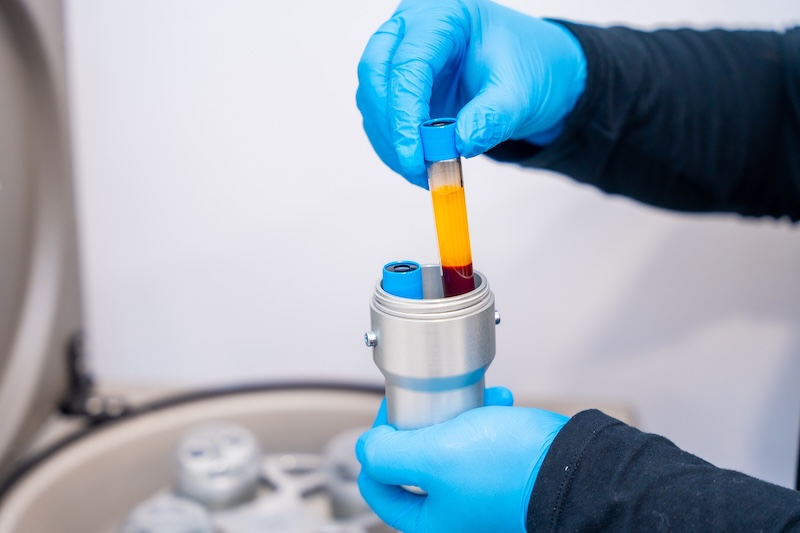
When adding PRP to microneedling, a small amount of blood is drawn and centrifuged to separate out the platelets and plasma that will be injected into the problem areas using microneedling. The combination of the growth hormone infusion, in tandem with the stimulation of the microneedling, helps to generate cell turnover. The platelets boost the effects of microneedling, delivering superior results when compared to microneedling on its own.
Because PRP uses the patient’s own blood, it’s considered safe.
Who benefits from PRP microneedling?
Adding PRP to microneedling results in faster healing, minimal downtime, improved collagen and elastin production, more even skin texture and tone, and a reduction in acne scarring. You might be a good candidate for PRP microneedling if you have mild to moderate:
- Fine lines and wrinkles
- Acne scars
- Dull skin
- Skin tone and texture concerns
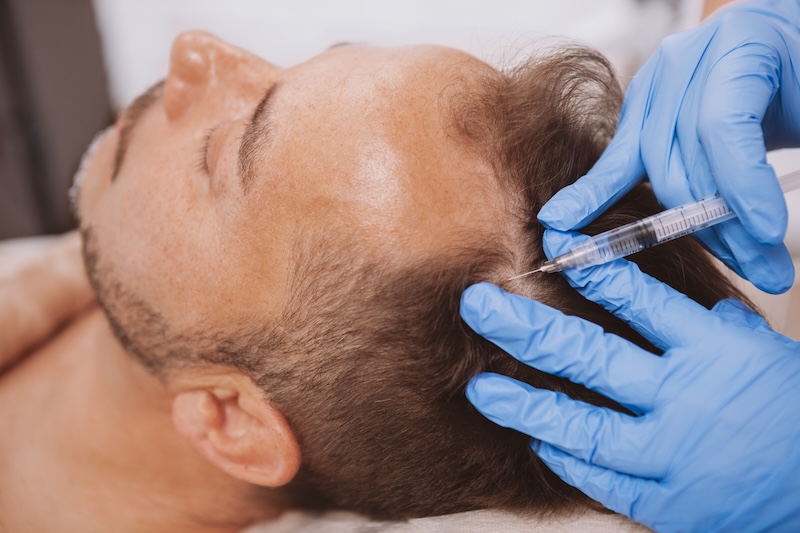
PRP therapy is also used in the early stages of hair loss and thinning in men and women. The PRP contains proteins injected into the scalp that ares essential for stimulating natural hair growth. Treatments should be spaced 2 months apart.
PRP for hair can be combined with Nutrafol supplements to enhance results. Read more about Nutrafol hair loss supplements available in Hartford County to address hair loss in combination with PRP.
What to expect during and after PRP microneedling
Before your treatment, avoid tanning or unprotected sun exposure.
At the start of the procedure numbing cream is first applied to your skin. While that is taking effect, a sample of your blood is taken and centrifuged to separate out the platelets and plasma. The resultant fluid is separated into the clear-yellow plasma, red blood cells, and white blood cells.
After applying a sterile saline to your skin, a sterile cartridge containing 12 tiny micro-points is attached to the microneedling device in an appropriate position based on your unique needs. The device will be gently pressed against the skin while simultaneously gliding in one direction until the entire treatment area has been covered.
The sensation is similar to sandpaper being moved across the skin. While some areas are more sensitive than others, the speed of the reciprocating tip makes the treatment more comfortable. The procedure takes 15-30 minutes depending on the size of the area treated.
The PRP solution is then rubbed into the treated area. This takes place after microneedling to allow the solution to penetrate into the micropunctures created.
Immediately after the treatment, your dermatologist will apply a soothing balm to the skin to counteract redness. There is very little downtime, and most patients are able to return home shortly after treatment and return to school or work the next day.
Some patients only require a single treatment once a year to achieve optimal results. However, it is recommended for most patients to receive a series of 3 treatments spaced about 6 weeks apart. For patients with more significant skin concerns, such as acne scars, it is recommended to receive 6-8 sessions at 6-week intervals.
Real Results
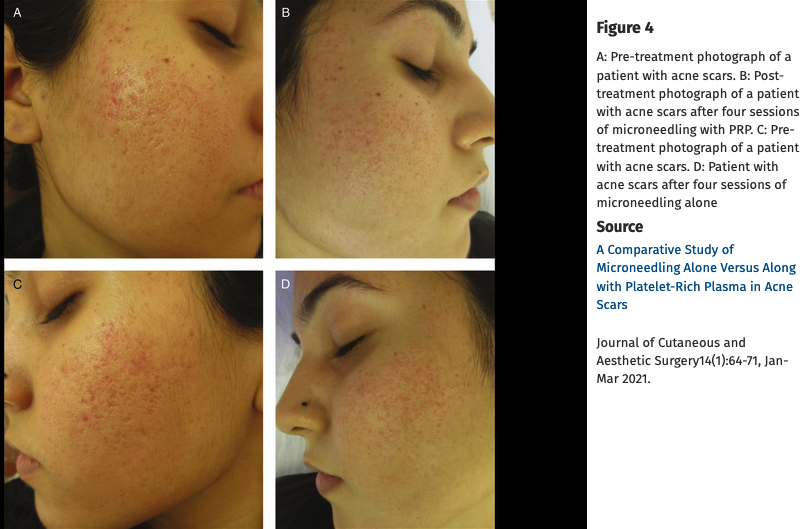
Image courtesy of Journal of Cutaneous and Aesthetic Surgery
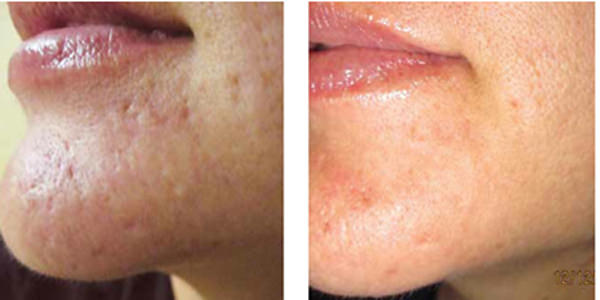
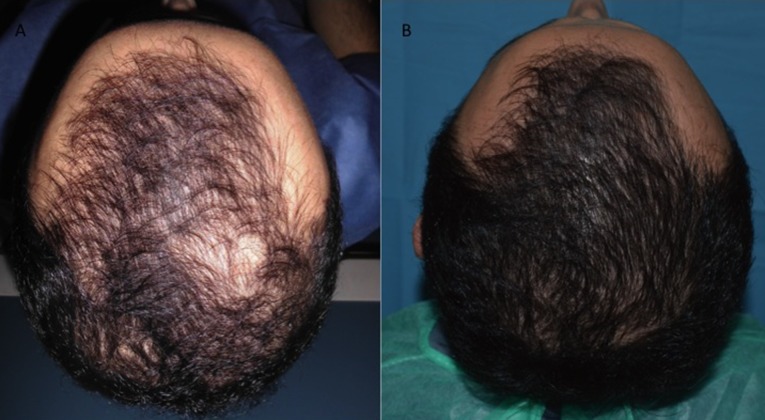
Before PRP treatments, and two weeks after PRP treatments ©AlphaMed Press
Combining PRP microneedling with other treatments
CO2 laser resurfacing
CO2 laser resurfacing uses high-energy targeted light beams from a carbon dioxide laser on the skin, providing a younger, fresher appearance. This skin rejuvenating treatment has been in use since the 1960s to address skin concerns.
CO2 laser resurfacing generates energy at a wavelength of 10,600 nm to heat up the water inside the targeted skin cells of the epidermis. This superficial topmost layer of skin is ablated, or removed. There are different strengths of CO2 laser resurfacing treatments available, addressing different skin treatment needs.
A study has shown that the addition of PRP to fractional CO2 laser resurfacing resulted in reduced redness, pain, and swelling, as well as reduced downtime.
Depending on your skin’s unique needs and considerations, Pennoyer MD can design a strategy with PRP microneedling and CO2 laser resurfacing, or another combination of treatments in a full facial rejuvenation plan.
Risks, contraindications, and aftercare of PRP microneedling
Microneedling with PRP may not be recommended for people who:
- Are pregnant
- Currently using Accutane, or who have used it in the recent past
- Taking certain medications including blood thinners
- Have ever had a cold sore or have been diagnosed with herpes simplex
- Have active acne resulting in new scarring
- Have a history of easy scarring or poor wound healing
- Experience certain skin conditions, including eczema or rosacea
- Had skin radiation treatment within the previous 12 months
Please consult with your doctor before pursuing PRP microneedling.
The total healing time depends on the device position used and the number of overlapping passes performed. Your dermatologist may recommend special products in a post treatment kit which can aid the healing process, such as our research-backed skincare line Pennoyer MD Skin Science. After 3 days using these recovery-boosting products you may resume your regular skincare regimen.
Patients could experience redness and sensitivity for 1-3 days post procedure. Avoid direct sun exposure for 72 hours post procedure. Avoid sweaty exercise for 72 hours post procedure. Do not apply make-up or sunscreen for 12 hours after the procedure.
Patients notice an immediate “glow” to their skin. Visible changes to the skin develop over the course of several weeks. Results can continue to improve up to 6 months after the treatment.
Frequently-asked questions about PRP microneedling
“Is PRP better than regular microneedling?”
PRP works to enhance the collagen production of microneedling and promotes quicker healing. The combination of PRP’s growth hormone infusion and the stimulation of microneedling helps to generate cell turnover. The addition of PRP delivers superior results when compared to microneedling on its own.
“How long do PRP microneedling results last?”
Visible changes to the skin develop over the course of several weeks. Results can continue to improve up to 6 months after the treatment.
“How often should I get microneedling with PRP?”
Some patients only require a single treatment once a year to achieve optimal results. However, it is recommended for most patients to receive a series of 3 treatments spaced about 6 weeks apart. For patients with more significant skin concerns, such as acne scars, it is recommended to receive 6-8 sessions at 6-week intervals.
To learn more about learn more about microneedling with PRP available at Pennoyer MD, message us via Klara at (860) 787-8396.
Sources
https://pmc.ncbi.nlm.nih.gov/articles/PMC11499218/
https://facialesthetics.org/microneedling-with-prp/
https://www.healthline.com/health/beauty-skin-care/microneedling-with-prp
https://facialesthetics.org/microneedling-with-prp/
https://www.byrdie.com/microneedling-with-prp-5220930#toc-what-to-expect-during-microneedling-with-prp
https://www.advancederm.net/the-benefits-of-microneedling-with-prp-treatment/